
 Web Development
 Mobile App Development
 Web Design
 Software Testing
 Digital Marketing
 IOT
IOT Big data
 Cloud Computing
 Blogs
Blogs Case Studies
 Portfolio
 Testimonials
 About us
 Life@WCG
 Contact us
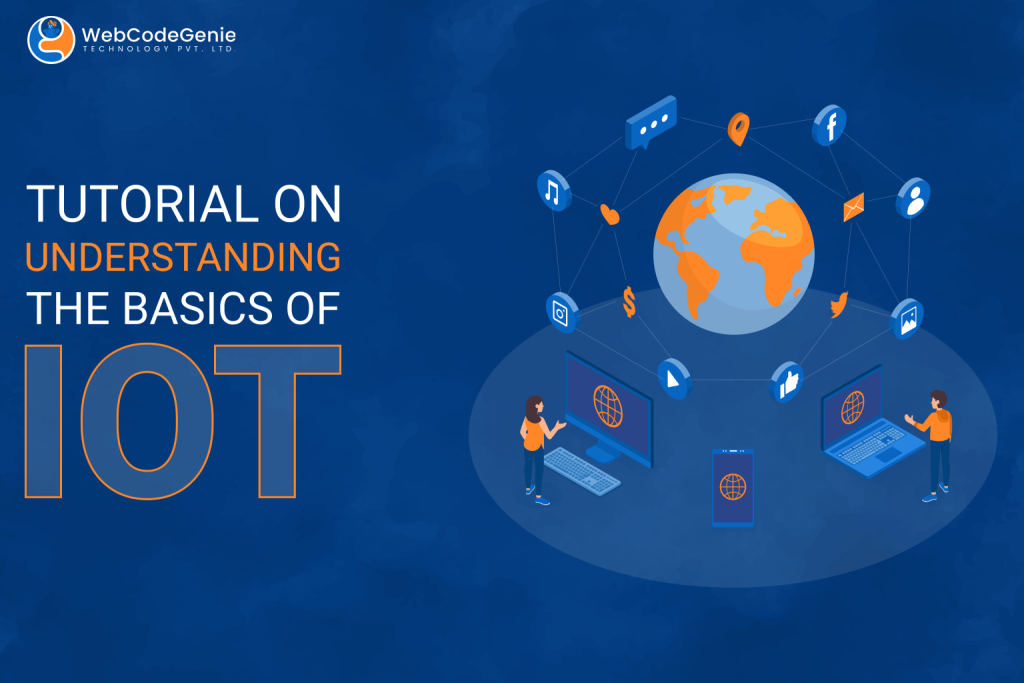
IoT, also known as Internet of Things concerns the use of the internet across different interconnected platforms in our day-to-day activities. Internet of Things (IoT) is a vast field requiring both basic and deep knowledge in how a number of things work with the internet. In this tutorial, we have attempted to simplify the basics of IoT.
Let’s get started.
Internet of Things – Definition
The interconnectivity of different platforms and assets, both software and electronics to the internet to make a functional whole component without human interference is known as the Internet of Things (IoT). All software, electronics and other materials that leverage interconnection through the internet for day to day usage can be referred to the Internet of Things.
IoT provides a seamless means to control different aspects of an interconnected system to deliver needed solutions for the individual involved. It can involve components that have Artificial Intelligence, Sensors, Electronic systems, Cloud Storage, the Internet, etc to deliver user expectations.
Key Characteristics of Internet of Things
IoT, Internet of Things has several key features that define it. While some of these characteristics might be present in other similar systems, certain aspects are unique to IoT. Kindly check the list below to learn the key characteristics of IoT.
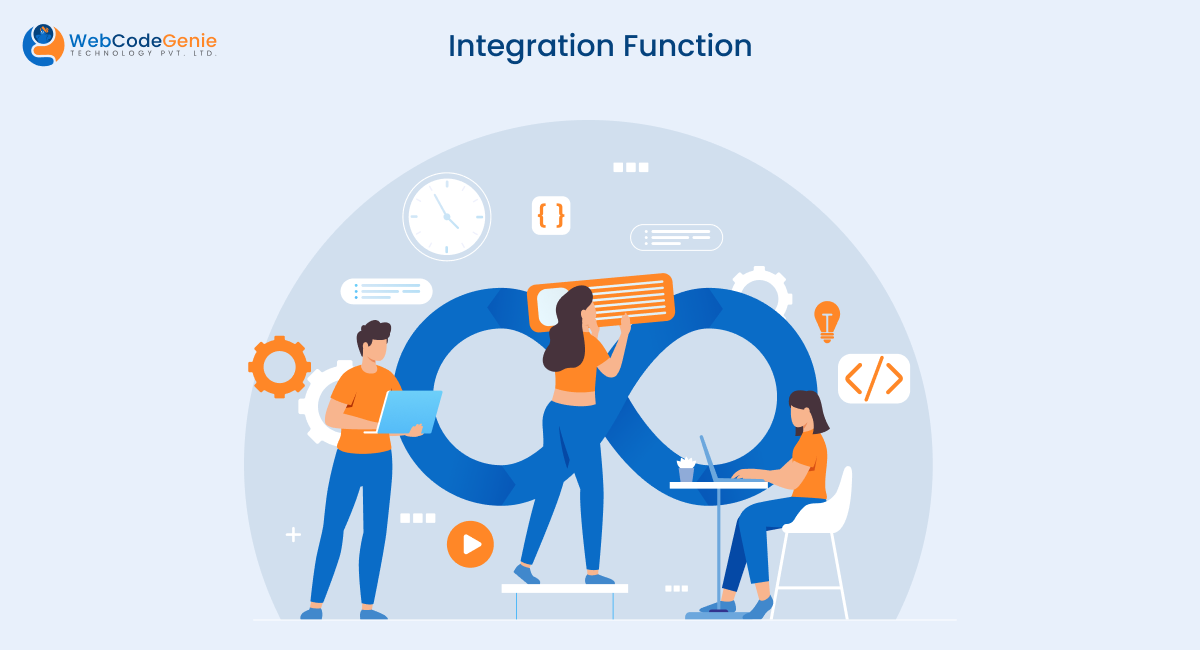
Integration Function
IoT has strong integration ability with a strong focus on delivering a seamless experience for end users. Functions must integrate fully to ensure there are no setbacks during customer use.
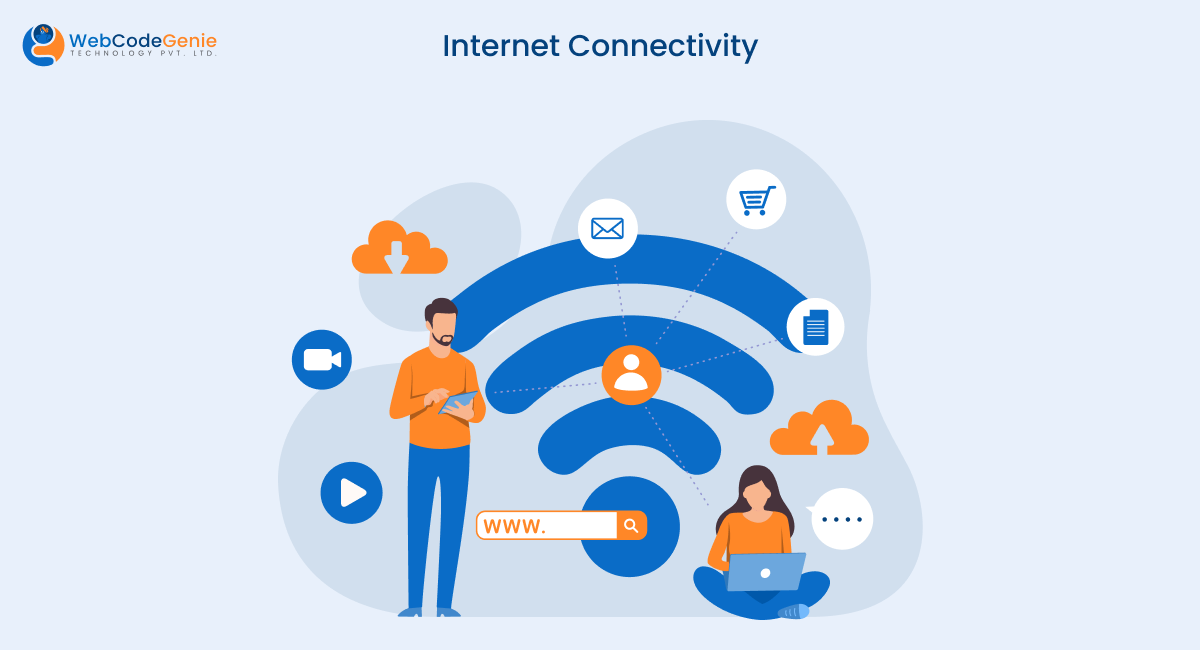
Internet Connectivity
Everything on an IoT ecosystem must be interconnected to ensure balance. The devices, software and relevant platforms must be able to speak and listen to each other to build synchronization. Internet connectivity, cloud storage and real time messaging are some aspects that must be considered while setting up an IoT.
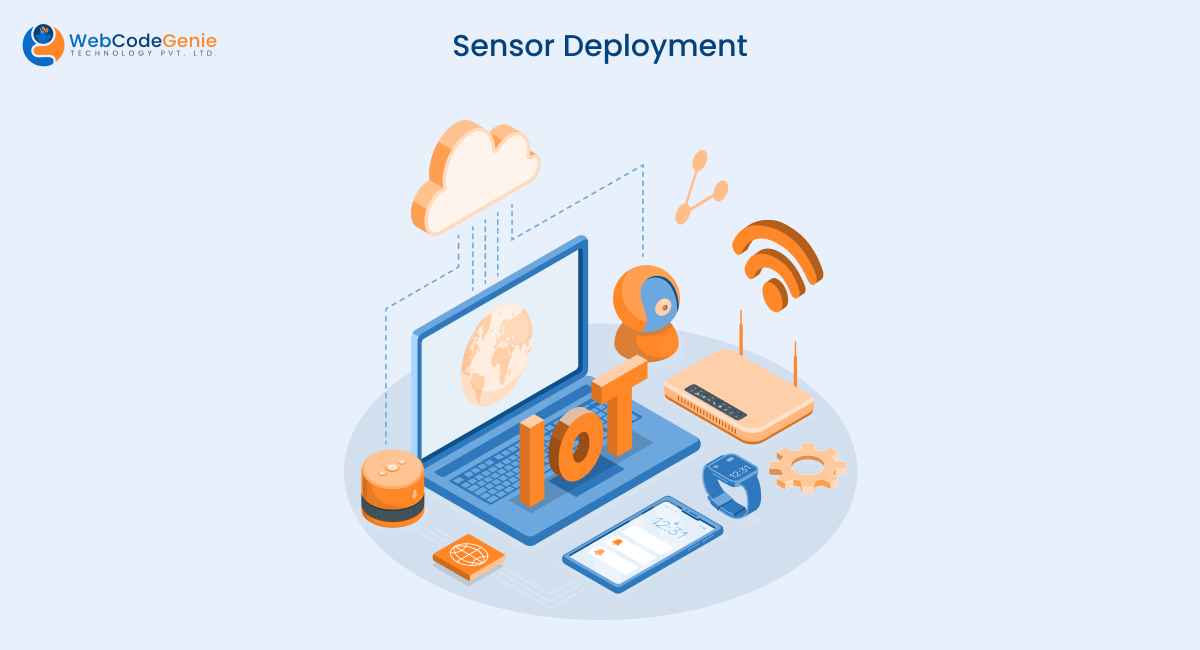
Sensor Deployment
IoT ecosystems can only thrive when backed by efficient sensor deployments. Sensor devices are used to detect and analyze changes in the ecosystem. By using sensors in IoT, it can facilitate quick and appropriate response to resolve unexpected challenges as soon as they appear. Sensors add a good dose of sensitivity to IoT environments.
Data Analysis
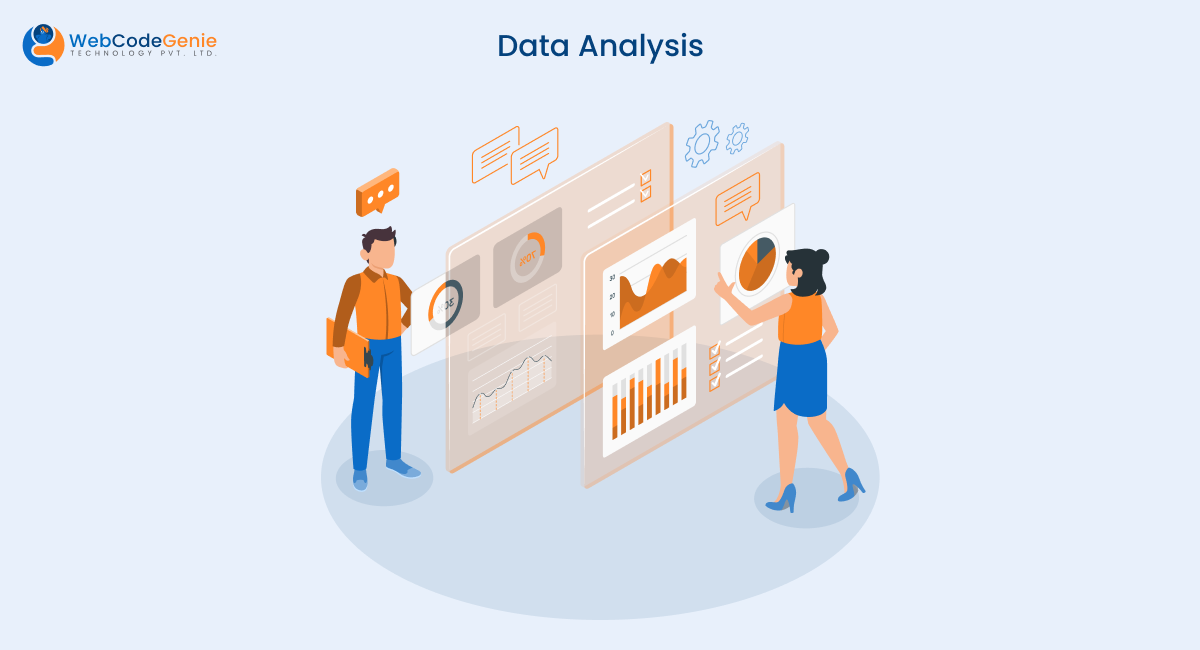
The interconnectivity of various components through the internet requires data analysis to make head or tale of any feedback gotten. Real-time, up-to-date data are sent to the system data storage where analytics and insights can be gained afterwards.
Use of Artificial Intelligence
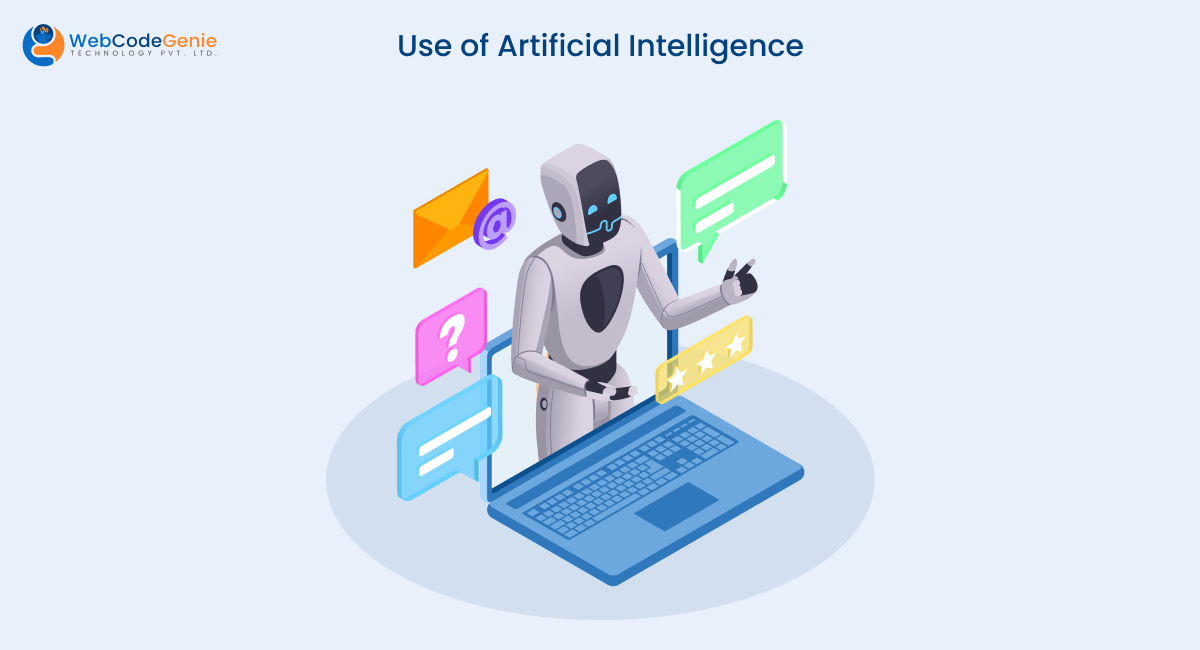
IoT leverages the power of A.I (Artificial Intelligence) to enhance the use of machines, software, electronics and other internet based parts as a whole.
How IoT Works
Internet of Things works by seamlessly exchanging data with different parts which typically involves different devices, electronics, and software and cloud data storages all connected to the internet. Different devices that work with Internet of Things include electronic gadgets, smart phones, digital clocks and watches, etc.
Merits of Internet of Things
As with most technology, IoT has a number of benefits for its users. These are the benefits of Internet of Things for daily activities in the market place.
- It helps with effective utilization of resources
- Can help reduce human input while delivering required solutions
- Time-saving feature due to no human effort involved
- Improves data collation and storage overall
- Can enhance security architecture because of interconnectivity
Demerits of Internet of Things
As with most things with good benefits, there are always some disadvantages. Listed below are some challenges of Internet of Things:
- Security compromise risk – as much as IoT enhances security, the same super-power can be a weakness too. A breach can affect all the different components of the IoT ecosystem.
- Minimal Protection – IoT systems are basically hands-free and can access significant human data which can be accessed by a third party.
- Intricate Systems – Requires a lot to design, develop, and maintain IoT systems effectively.
IoT System Types
Internet of Things can be developed on systems using embedded devices that have complex computing components. These Embedded Devices used to build the IoT system are of 2 types:
- Embedded System Hardware
This embedded device has a physical microprocessor and uses different computing components to perform tasks.
- Embedded System Software
This embedded device has software that leverages a computer language to deliver tasks in real time.
The Internet of Things Ecosystem
The internet of Things ecosystem is vast, involving different parts that make it a whole while delivering a specific outcome. In most cases, there will be interconnected devices, platforms, software and networks. One device can be used to access data from another and vice versa.
Generally, IoT is a field that is still being explored with so much room for learning and improvement. We hope that this basic tutorial has provided some insights about what IoT is all about. For more in-depth knowledge, we encourage further research on your part in this regard.